Kitchen Sink Spaces
My approach to kitchen sink selection starts with location and function. Is the sink under a window or on an island? Is there a secondary sink? Is it a kosher kitchen requiring separate meat and dairy sinks? How does the family cook and entertain?
I also consider cabinet size, appliance placement, faucet selection, and whether the client would benefit from a workstation, farmhouse, split-bowl, or large-capacity sink.
Many clients do not come with a clear vision. They often know what they like visually but are unfamiliar with the differences between undermount, farmhouse, workstation, and other sink options. My role is to educate them and guide them toward the best solution for their lifestyle.
Common pain points include cabinet size limitations, wanting a larger sink than the cabinet allows, and discovering sink requirements after cabinetry has been selected.
Sink selection is not only about size and function—it is also an important design decision. Clients are increasingly conscious of color coordination and how the sink relates to the faucet, cabinet hardware, appliances, countertops, and cabinetry. Not every client wants stainless steel, and many have strong opinions about mixing or matching metal finishes. As designers, we are often helping homeowners balance both function and aesthetics to create a cohesive look throughout the kitchen.
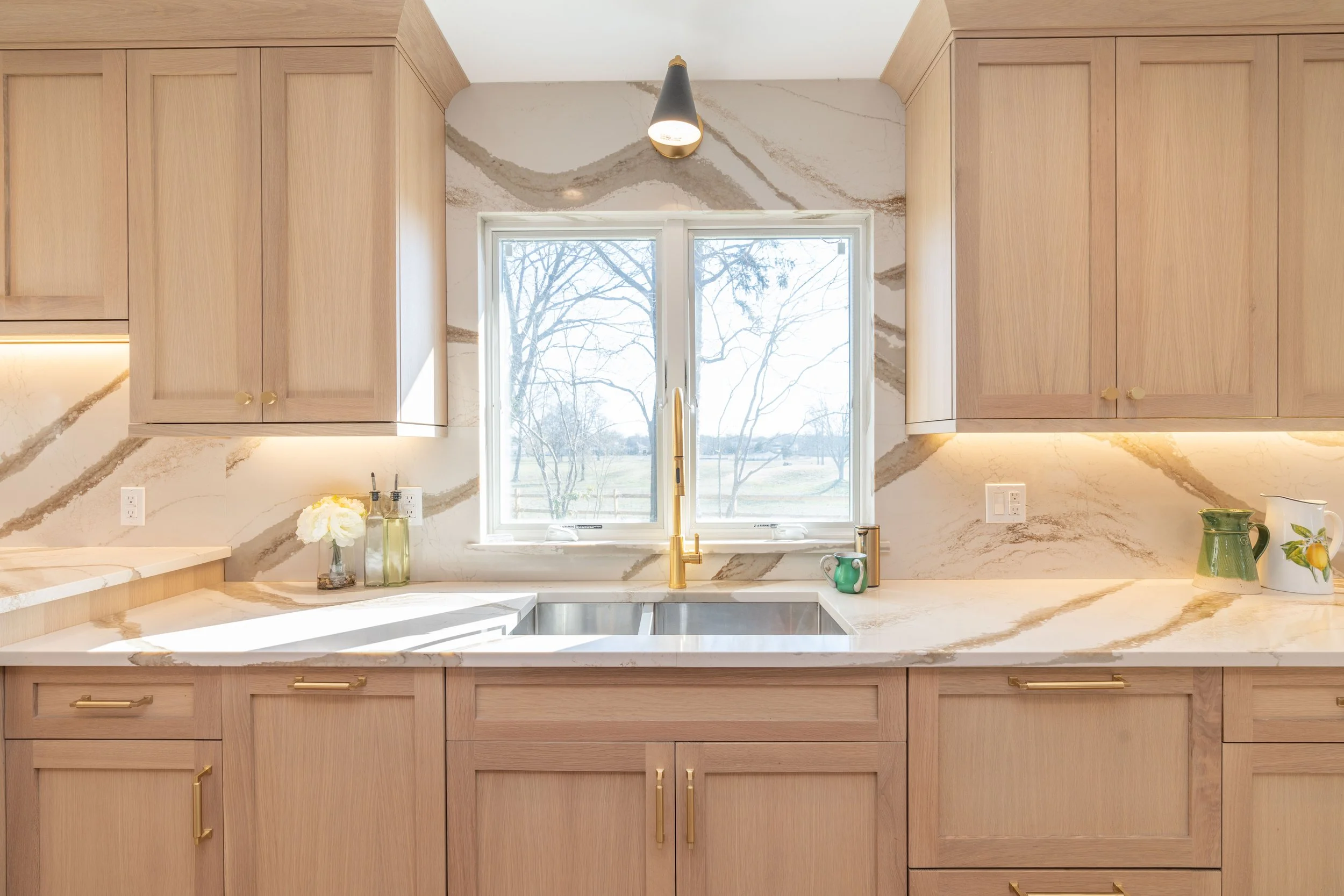
Mixing Metals “par for the course”
Filtered water has become an increasingly important topic with homeowners, especially on Long Island where water quality and health concerns are frequently discussed.
One of the most appealing aspects of Elkay's Avado faucet is that the filtration is essentially invisible. Homeowners receive filtered drinking water directly from their primary faucet without adding another faucet or drilling additional holes in expensive countertops. This is especially attractive in luxury kitchens where clean lines and uncluttered surfaces are important.
I believe the biggest opportunity is education. Many homeowners—and even some designers—are unaware that integrated filtration options exist and assume a separate faucet is required. Once they understand they can have filtered water without sacrificing aesthetics, the value becomes immediately clear.
In my experience, filtration is one of the easiest upgrades to incorporate into a kitchen project when it is presented at the right time. We are already discussing appliances, plumbing fixtures, and functionality, and the plumber is already on site. Particularly on Long Island, most homeowners respond very positively when filtration is suggested. They often have not considered it, but once the benefits are explained, they view it as an investment in their family's health and safety.
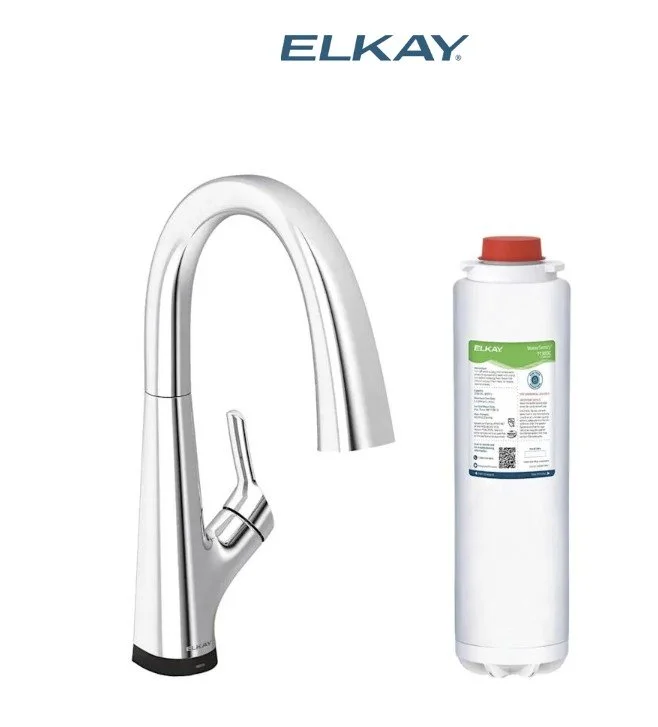
Note: Currently the Brand Ambassador for Elkay
Beyond the kitchen, I see the greatest opportunity in home gyms, garages, secondary kitchens, and bar areas. One of my current projects includes a basement gym, and the homeowners are extremely excited about the idea of a filtered water station. With the popularity of large reusable water bottles and Stanley cups, convenient bottle filling has become a lifestyle expectation.
The biggest barrier to broader adoption is not demand—it is awareness. Once filtration becomes part of the design conversation, homeowners overwhelmingly see the value.
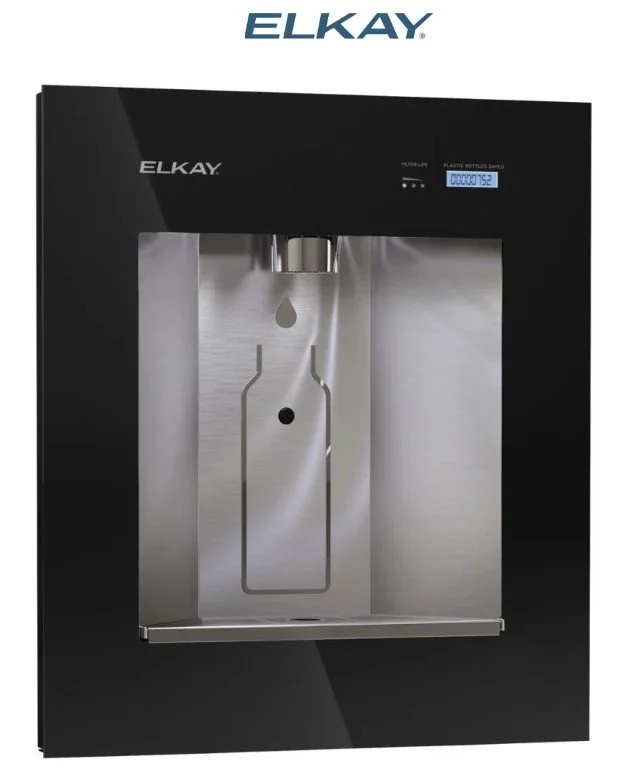
I'm proud to serve as an Elkay Brand Ambassador, bringing clients the latest innovations in kitchen design and water filtration.
